
Articles
EFFECTS OF EXCESSIVE ALCOHOL CONSUMPTION


Alcohol Consumption:
Drinking alcohol one in a while is good . It does not damage your body if you’re healthy. But excessive consumption will have a different story.
Too much of alcohol can damage you physically and mentally.
LIVER DAMAGE
The main effect caused by alcohol is Liver Damage. Alcohol is a toxin. And the liver’s job is to flush away the toxin out of your body. But your liver may fail to function properly, if you’re drinking heavily. Excessive consumption of alcohol may also give you alcoholic fatty diseases , which results in liver failure.
HEART DISEASE
We all know the dangers of blood clots and high levels of fats and cholesterol in our body. Many researchers found that excessive alcohol consumption can lead trouble pumping blood to the heart and also have a higher chances of dying from heart stroke.
BRAIN AND NERVOUS SYSTEM PROBLEMS
Alcohol also affects the brain’s communication paths.
This makes you cause difficulty in thinking, speaking and understanding. Heavy drinking can also cause mental health disorders like Depression and Dementia.
You may experience severe nerve pain when you turn sober .
ANEMIA
Anemia occurs when your body doesn’t make enough red blood cells to circulate the oxygen around the body. This may result in ulcers, inflammation and other problems. Too much of alcohol can also make you skip meals , which will lead you to iron deficiency.
CANCER
There is a link between excessive alcohol consumption and cancer. Alcohol damage the cells in your mouth, throat, voice box and esophagus. It can develop cancers in your liver, breast and intestines.
DIGESTIVE PROBLEMS
Alcohol is caustic. It can increase the stomach lining , leading to heartburn and nausea. This can give you ulcers and severe inflammation in your stomach. It makes hard for the intestines to digest the B12 nutrients and thiamine. Alcohol build digestive enzymes in pancreas and leads to pancreatitis.










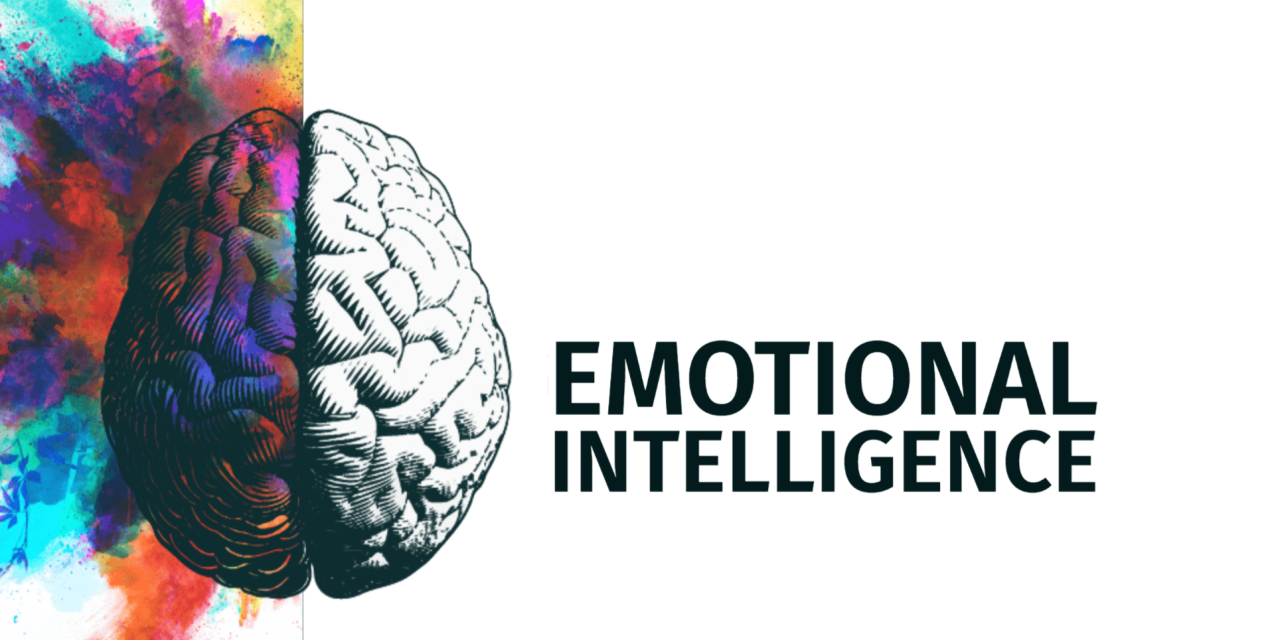
Emotional Intelligence: Your Hidden Superpower to Success
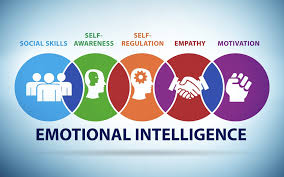
What is Emotional Intelligence? A Simple Guide to Understanding and Improving EQ
Did you ever say anything in anger and then later regret it? Did you ever feel misunderstood even after explaining the true situation in the best way you can to others? Moments like these happen a lot of the time. It doesn’t happen because we lack intelligence; it happens because we struggle to understand and manage emotions of both our own and others.
This ability is called Emotional Intelligence, and it quietly shapes almost every part of our life. In fact, research shows that people with high emotional intelligence often handle stress better, build stronger connections, and navigate challenges more efficiently than those who have high IQ levels or rely only on logic.
Emotional intelligence is not something you are born with or without. It is a skill which can be learnt, practiced, and strengthened over time. And once you start developing these skills, you begin to notice many powerful changes like calmer reactions, deeper understanding, and healthier relationships.
Psychologist John Mayer, who studied emotions and thought, and Peter Salovey, who studied emotions and behavior, formulated the concept of Emotional Intelligence as the ability to recognize, understand, and express one’s emotion as well as the ability to recognize, understand, and respond to others’ emotion.
Emotional Intelligence Explained – Why It Matters More Than IQ
People with high IQ levels also help themselves by improving their personal communication and relationship with others, develop empathy, increase their self-confidence by seeing things more positively, and reducing their levels of anxiety. In short, getting involved in understanding and managing emotions for positivity, focusing on self-awareness, empathy, and intentional responses than impulsive reactions is Emotional Intelligence.
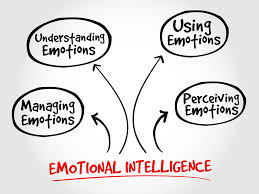
A person who is emotionally intelligent will be skilled in four areas:
- Firstly, identifying the emotions
- Secondly, using the emotions
- Thirdly, understanding the emotions
- Finally, regulating the emotions.
Emotional Intelligence – The Skill That Changes Your Life
EQ is the essential, learnable ability to recognize, understand, manage, and influence emotions in yourself and others to reduce stress, communicate effectively, and overcome challenges. Cultivating these skills fosters better relationships, improves leadership, transforms reactions into thoughtful responses, enriching resilience, better decision-making, communication, and stress management.
Core Features of Emotional Intelligence
- Self-Awareness: Recognizing your own emotions, strengths, and weaknesses and their impact on your behavior.
- Self-Regulation (Self-Management): Controlling impulsive feelings and behaviors and adapting to changing circumstances.
- Social Skills: Building relationships, managing conflicts, and communicating clearly.
- Motivation: Being driven by personal goals rather than focusing on external rewards.
- Empathy: Understanding the perspective of others, their emotions, and needs.
| Component | Meaning | Example in Real Life |
|---|---|---|
| Self-Awareness | Understanding your own emotions and how they affect your behaviour | Realizing you are angry before speaking and choosing calm words |
| Self-Regulation | Controlling impulsive reactions and managing emotions | Taking a deep breath before responding in a stressful situation |
| Motivation | Being driven by internal goals rather than external rewards | Continuing to work hard even when results are slow |
| Empathy | Understanding the emotions and perspectives of others | Comforting a friend who is feeling upset |
| Social Skills | Building relationships and communicating effectively | Resolving conflicts calmly and maintaining teamwork |
How EQ Changes Your Life
- Improved Relationships: High EQ helps in navigating social situations, fosters strong and more supportive connections with better rapport, and also in building trust.
- Resilience and Adaptability: It enables a person to remain calm under pressure or stress, navigate challenges, recover from setbacks, and adapt to change.
- Career Advancement: High EQ often outperforms IQ in leadership, as it helps in making sound decisions, influencing teams, and staying calm under pressure.
- Improved Decision Making: Understanding your own emotions prevents your reactive decisions. Better emotional control leads to clearer, more informed choices.
- References:Research paper from NIH:https://pmc.ncbi.nlm.nih.gov/articles/PMC10543214/
How to Improve and Build Strong Emotional Intelligence
To improve and build strong emotional intelligence by boosting self-awareness, enhancing self-regulation, developing empathy, and strengthening social skills. Key strategies include journaling to identify triggers, practicing active listening, pausing before reacting to stress, and seeking regular feedback.
Key Components and Strategies to Build and Improve EQ
Boosting Self-Awareness
- Journal Daily: Document your daily emotions to identify patterns, triggers, and behavioral reactions.
- Name Your Emotion: Precisely label your feelings to gain control over them.
- Reflect on Triggers: Conduct an honest self-assessment on your emotional capabilities.
- Seek Feedback: Request your colleagues or friends for constructive feedback on your behavioral reactions.
Self-Regulation (Managing Emotions)
- Own Your Emotions: Rather than blaming any circumstances, you yourself take the responsibility and acknowledge the situation that makes you emotional and prepare for it.
- Pause Before Reacting: When triggered, take a moment to breathe before responding to avoid impulsive actions.
- Stress Management: Incorporate relaxation techniques such as mindfulness, meditation, deep breathing to stay calm.
Cultivate Empathy and Social Skills
- Active Listening: Focus entirely on the speaker, observing both verbal and non-verbal cues without interrupting.
- Perspective-Taking: Actively try to see situations from another person’s point of view to understand their emotions.
- Improve Non-Verbal Communication: Use confident body language to appear more approachable.
- Develop Social Skills: Practice clear communication, persuasion, and teamwork.
Develop Motivation
- Set Clear Goals: Use visualization to maintain momentum and focus on long-term goals rather than immediate gratification.
- Use the 1-2-3 Method: Before reacting, ask yourself, “What am I feeling?”, “What do I want for myself/others?”.
- Set Realistic Goals: Set achievable emotional goals, such as staying calm in different situations, cultivating passion for your personal growth, and finally track your progress.
Building EQ is an ongoing proactive process requiring self-reflection and social engagement. Through this proactive process, we can master these skills. Mastering will lead to better decision-making, improved resilience, and maintain stronger and empathetic relationships in both work and life.
Daily Habits in Mastering Your EQ Growth
- Use Simple Courtesies: Small gestures like “Thank you”, “Sorry” etc. can strengthen your relationships.
- Take Responsibility: Take the responsibility of acknowledging your mistakes and even their impact on others.
- Practice Gratitude: Always reflect on positive aspects of your life to improve your overall outlook.
- Take Timeouts: Whenever you are overwhelmed, step away from that situation to regain composure before responding.
How Emotions Shape Decision and Behaviour
EI shapes decisions and behavior by allowing individuals to recognize, understand, and manage emotions in themselves and others, preventing impulsive and emotion-driven choices. High EI individuals use emotions as data, blending feelings with rational thoughts to improve judgment, foster better and more objective decision-making in high-stake solutions.
- Decision as Data: Emotions provide valuable, immediate data regarding situations, such as fear signaling risk or excitement indicating opportunities.
- Avoiding Rash Choices: Managing emotional responses like anger or anxiety prevents knee-jerk, impulsive reactions, irrational, or poor-quality decisions.
- Influence of Specific Emotions and Their Behavioural Impact: Fear often increases risk aversion, while anger may fuel risk-taking and in some cases it encourages perceived injustice. EI allows us to navigate social situations better, leading to more cooperation, inclusive of any ethical behavior and maintaining it on long-term goals.
Conclusion
In a world where quick reactions and constant pressure has become normal, EQ always stands out as a true friendly life skill. EQ is not about suppressing your emotions or staying calm; in fact, it is about what you feel, why you feel, and how to respond in a very thoughtful way. The most powerful thing in EQ is – it is a skill we can build every day. When we build EQ, we improve more than just mood. Whether at home, work, or in social situations, EQ helps to connect with people on a deeper level. Few day-to-day EQ skills which we can start from now and continue these simple steps can create extraordinary changes.
- Start small
- Observe your emotions
- Pause before reacting
- Listen more deeply.
References:
Reference to Emotional Intelligence :
https://sumermannwings.com/a-small-story-of-confidence/
“Finance” or “Gold Investment 2026”
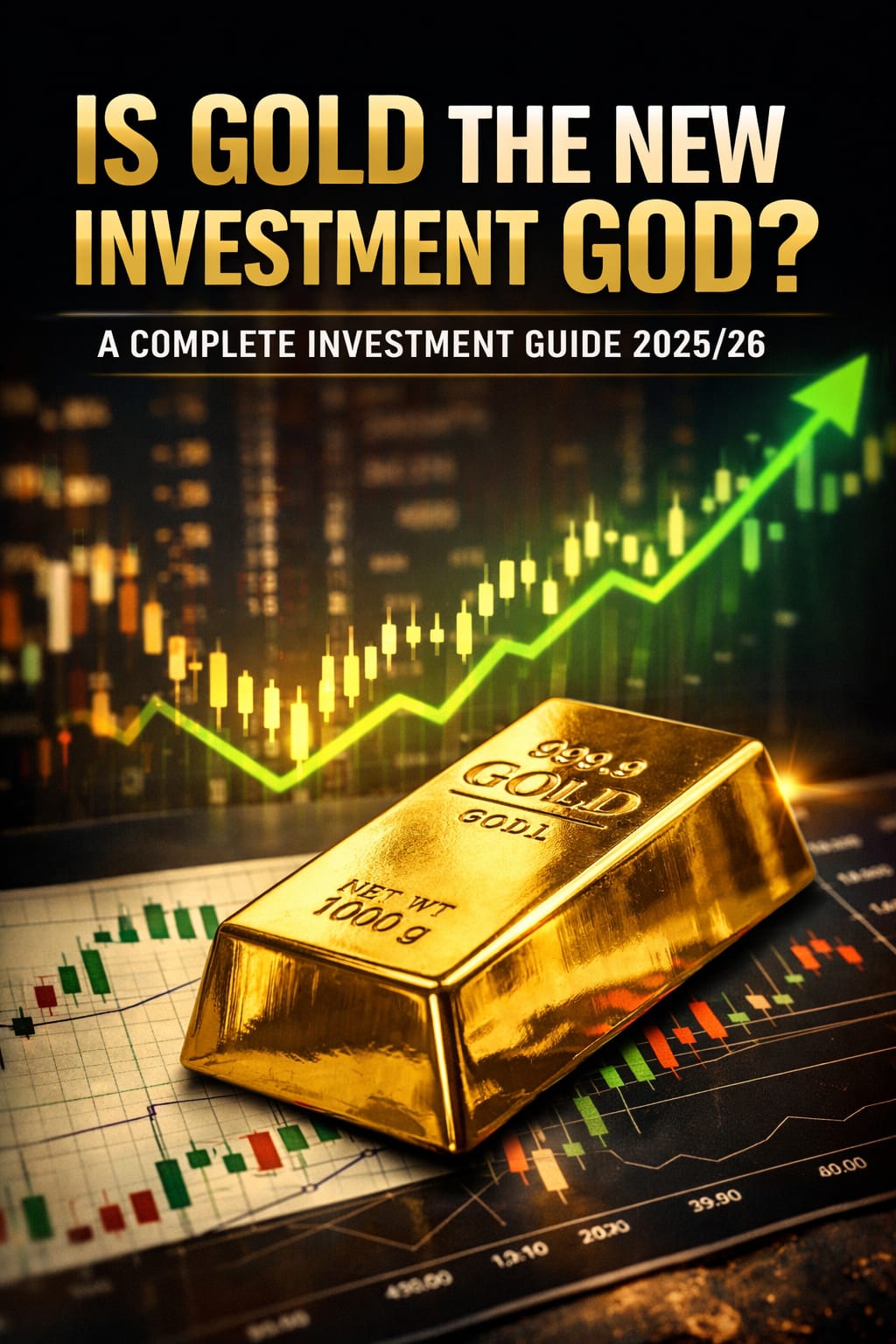
IS GOLD THE NEW INVESTMENT GOD..A COMPLETE INVESTMENT GUIDE 2026
HOW TO INVEST IN GOLD IN INDIA 2026..???
In early times, people used to invest in gold by purchasing physical gold in the form of coins, bars and jewellery. Now, in modern times, investors, apart from purchasing physical gold, have few more options of investing in gold such as gold ETF, BONDS, FUNDS and Digital gold investment. Although RHODIUM, being the most expensive precious metal on Earth, GOLD holds a significant value in symbolising wealth, cultural heritage and financial security. Gold has been used throughout our history as money, which holds a relative standard for currency equivalents, until recent times.
FROM EGYPTIAN PHARAOHS TO TODAY ‘S PORTFOLIO INVESTMENT:
GOLD, is referred to as “GOD’S MONEY”, because it cannot be faked. From ancient
Egyptian Pharaohs who adorned their tombs with gold to the Romanian Empire who used gold as its
currency, gold’s allure has been intertwined with traditions, wealth and divinity. Gold, as an
investment also considered as a hedge against inflation and economic uncertainty, making it
a prized asset. Its historical role as a reliable store of value and medium of exchange
solidifies why it remains one of the precious metals well-known to humanity.
BUYING PHYSICAL GOLD :
One of the simplest ways for how to invest in gold in India 2026 is buying physical gold in bars, coins, or jewellery from banks, jewellers or any authorised online platforms too. Key considerations required to be followed while buying gold..
A GUIDE TO BUY PHYSICAL GOLD:
1.For how to invest in gold in India 2026, the best denominations are from 1gm to 100gms or more.
2. Coins or bars can be purchased from banks with assay certification or from any trusted
brand or jewellery store.
3. You can even buy from online platforms also little MMTC – PAMP, which offers 24K gold
with secured delivery.
4. Look for 24K carat purity, 999.9 fineness or BIS Hallmark which guarantees the quality.
5. The liquidity of physical gold is always high, as it can be easily converted into cash
through banks or dealers., due to its universal demand, stable value and efficient trade.
How to Invest in Gold in India 2026: Paper Gold Options:
How to Invest in Gold in India 2026 via Gold ETFs (Exchange -Traded Funds):
1. One needs a Demat account to invest in ETFS.
2. Gold ETF includes asset management and brokerage fees.
3. Paper work is required for investing money in gold.
4. Gold prices directly affect the ETF.
5. Minimum investment for gold ETF is generally the price of one gram gold.
How to Invest in Gold in India 2026 via Gold Mutual Funds :
1. The investment is made in the form of bullions and companies involved in gold mining.
2. No Demat account required.
3. Minimum charges are applied to manage the funds.
4. Paper work is required.
5. Minimum investment for gold mutual funds can be as low as 500/- .
SOVEREIGN GOLD BONDS/ DIGITAL BONDS :
1. Sovereign gold bonds are government securities denominated in grams of gold. 2. These
bonds are substitutes of physical gold .
3. These bonds are issued by RESERVE BANK on behalf of the Government of India.
4. The government of India assures 2.5% of interest to the investors.
5. It’s a hassle free way of investing in gold.
6. The bonds are available for sale to all Indian Residents individuals, HUFs, Trusts,
Universities and Charitable institutions.
7. The tenure of the bond is for a period of 8 years with exit option after 5 years.
9. Minimum permissible investment will be 1gram of gold and maximum limit of subscription
of gold is 1kg.
| Feature | Physical Gold | Gold ETF | Gold Mutual Funds | Sovereign Gold Bonds |
|---|---|---|---|---|
| Minimum Investment | 1 gram | 1 gram price | ₹500 | 1 gram |
| Demat Required | No | Yes | No | No (online) |
| Interest | 0% | 0% | 0% | 2.5% p.a. |
| Storage/Lock-in | Safe locker | None | None | 8 years (exit after 5) |
| Tax on Maturity | LTCG 12.5% | LTCG 12.5% | LTCG 12.5% | Tax-free if held till maturity (for original buyers) |
GOLD AS A HEDGE AGAINST INFLATION :
As we all know that inflation has eroded the purchasing power, weakened the value of currency which has raised the value of gold globally. Gold is considered as a “safe-haven” hedge against long term inflation because its value tends to hold steady or may rise too, as the power of money decreases. Gold as a “TIMELESS POWER” asset, often leads the investors in seeking protection to their wealth.
MARKET PANICS… GOLD WAITS – THE SILENT KING OF MODERN INVESTING:
When fear dominates and investors confidence collapse, Gold basically functions as a reliable
hedge during the times of market PANICS and currency devaluation, by holding its value or
increasing its price. So, Gold is even regarded as the “SILENT KING OF MODERN
INVESTING”. Financial advisors always recommend a 5-15% allocation of gold in their
portfolio to reduce volatility.
GOLD’S PERFORMANCE IN RECENT CRISIS :
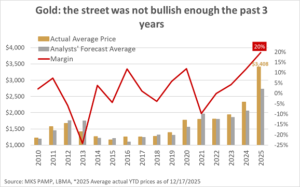
2008 Financial Crisis:
After an initial slump, gold rose efficiently as the crisis deepened.
COVID -19 (2020) : During the Covid-19 pandemic, when the whole world was collapsing
against the pandemic, Gold delivered over 25% returns, reinforcing its status as a reliable
hedge.
2025/26 GEOPOLITICAL TURBULENCE:
Amidst this renewed rising inflation and geopolitical tensions, gold is continuously hitting its record highs.
Reference: http://Gold surges Rs 7,000, near Rs 1.7 lakh mark after Israel-Iran war. Perfect time to invest in yellow metal? – The Economic Times https://share.google/4EU7sM8pMBTNxCYNt
FROM TEMPLES TO TRADING APPS – THE MODERN GOLD REVOLUTION :
Initially, the practice of acquiring gold, tied to temples traditionally and culturally has undergone a rapid
reinnovation, a transformation from temples into a digital, highly liquid asset managed
through apps. A transformation which is witnessed by generations of people, has been
driven by a desire to monetize and increase liquidity.
KEY FEATURES OF GOLD REINNOVATION:
MONETIZATION OF TEMPLE GOLD:
To overcome the high import dependency, the Indian government has encouraged temples to deposit their idles, donated gold into banks. The estimated hold of gold in temples is 3000-5000 tonnes of gold. By March 2025, Tamilnadu ‘S Samayapuram temple has contributed over 1,074 kg of gold to these schemes. The Gold Monetization scheme (GMS) offers interest rates of 2.25% – 2.50% per year to temples and individuals, while allowing for redemption in gold, providing a safe and productive alternative to holding physical metal.
DIGITAL GOLD AND TRADING APPS:
Technology has made gold accessible to all investors, by transforming gold from a traditional, high asset value to a digital, liquid asset. Many digital platforms allow users to purchase gold for as low as 1 rupee to as much as any maximum amount, or through SIP’s to digitize the donations.
TRANSPARENCY AND SECURITY:
Digital gold is stored in secured vaults, allowing investors to invest, sell or even track their portfolio transactions.
SHIFT IN BEHAVIOUR:
The focus of today’s consumer has shifted from merely holding gold to managing it as a financial asset. This includes leveraging gold for loans or leasing gold to jewellers.
Gold Price Prediction 2030: Why Learn How to Invest in Gold in India 2026 Now :
Today in 2025, as we know the current price of gold is more than One lakh rupee for 10 gms, while in 2005, the price value of gold was 5000 rupees for 10 gms. We can see, almost 20 times increase in the price of gold in the past 20 years. According to sources like Times of India and Incrementum, prediction of Indian domestic markets can vary and reports suggesting price of gold could reach even
higher upto 2.25 lakhs approx by 2030.
CONCLUSION:
Experts recommend Gold as a part of diversified portfolio due to its performance which indicates a sustainable upward trend in future for long term.
IMPORTANT:
Market is expected to be volatile, so investors should proceed with caution.
LIFE WITHOUT ENTERTAINMENT
We all have wondered what life would be like without gadgets or wealth,( life without entertainment) but have you ever considered what life without entertainment ?. Probably, it would be as boring as watching a dry painting. I guess you won’t ever know if you never had a time in life without entertainment.
If we would ever imagined your life without entertainment, that means we don’t have cell phones but just traditional phones. Present day’s cell phones have become the main source of entertainment since the 2000’s. As a daily habit, even a teenager is using a cell phone and social media apps like Facebook, Instagram, Snapchat and many more to fill their free time. Without these , teenagers would’ve been freaked out and become miserable without such sources of fun from technology. And without these cell phones , MP3 players, laptops, headphones, books, TVs or even VRs would not exist.
If we do not have these technology, we would not know how to spend our leisure time. If we live without entertainment, we would be able to go to amusement parks or circus and also to book stores, have tours at the beach, and can never have parties, which can lead to a very dull life.

ESPORTS
Esports is also known as electronic sports is a form of gaming and competition of video games. Esports always deals with online multiplayer games and professonal gaming competitions between players or teams. Even though games were invented long back, these got largely popular in the 21st century. Gaming competitions are played between gamers across different places and they will be streamed live to the audience. By the 2010s the gaming developers saw a big rise in the gaming industry and also led to creation of more advanced game designs.
Gaming types include first person shooter (FPS), battle royale, multiplayer and many more.
VIDEO GAME DESIGN
Spectator Mode
Along with the game, a spectator mode is given for every game to observe the gameplay of the teammates. This allows us to split strategies between players and teams in an online league or tournament. Games like Call of duty allows this type of feature.
Online
The most common method of playing a game. Internet plays a major role in providing stability and accuracy in gaming field. And online mode allows us to make connections with people around the globe. Internet allows players to show their skills and IQ in the game. More importantly, most of the competitions take place online only.
POPULAR GAMES
Number of games are popular among the competitors. Mostly, people tend to play fighting, shooting, racing and multiplayer games.
Some of the popular games include :
1) Fortnite
2) BGMI
3) Minecraft
5) Call of Duty

Sometimes, we feel like we experience Deja Vu. But what is Deja vu ?
Why do we feel like that ?
What is the science behind this experience ?
DEJA VU
Deja Vu derives from a French word which means “already seen”. It is a feeling that one has experienced the present situation before. Scientific researches say that it is a strong memory recollection, the time, the place and the context of that previous situation. People who travel frequently or watch films are more likely to experience deja vu when compared to others. Others experience deja vu in fragile conditions and high pressure. Meanwhile, deja vu decreases with age.
TYPES AND SCIENTIFIC REASONS
Two types of Deja Vu are considered
1) Pathological Deja Vu
Pathological Deja Vu occurs frequently and also has symptoms like hallucinations which may be an indicator of psychological or neurological stress.
2) Non-Pathological Deja Vu
Normal people who do not have any mental health issues experience this type of Deja Vu. This is so common and it is not due to stress. This occurs because of recollecting old memories.
MEDICAL DISORDERS
Deja Vu is simply an electric discharge in brain , creating a strong sensation of an event that has happened before. Deja Vu is associated with Migraines and as well as temporal lobe epilepsy. Researchers also found link between deja vu and certain mental health issues like anxiety, dissociative identity disorder and schizophrenia. But scientists failed to find the correlations between deja vu and schizophrenia.
Researchers also experimented genetics while considering deja vu. But there is not even a single gene connected to deja vu.


